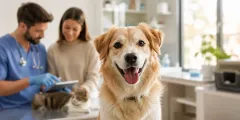






Dogs do not all age at the same speed. A small terrier may stay active well into its teens, while a giant-breed dog can show senior changes much earlier. What matters most is not the number on the birthday cake, but the changes you notice in your dog’s body, behaviour, energy and comfort.
Veterinary guidelines describe senior care as an evidence-guided approach focused on maintaining quality of life, detecting disease earlier and adapting the home, diet and daily routine to the dog’s changing needs. In simple terms: old age is not a disease, but older dogs deserve closer attention.
Important: This guide is educational and does not replace veterinary advice. Always speak with your veterinarian before starting medication, supplements, a new diet or a major exercise change.
When is a dog considered senior?
There is no single age that applies to every dog. Size, breed, genetics, lifestyle and medical history all matter. As a general guide:
| Dog size | Often considered senior from |
|---|---|
| Small breeds (< 10 kg) | 10–12 years |
| Medium breeds (10–25 kg) | 8–10 years |
| Large breeds (25–45 kg) | 7–8 years |
| Giant breeds (> 45 kg) | 5–6 years |
A better question than “Is my dog old?” is: Has something changed? Slower walks, stiffness, weight change, confusion, altered sleep or new anxiety are all worth tracking.
Common changes in senior dogs
1. Joints, muscles and mobility
Arthritis, muscle loss and reduced flexibility are common in older dogs. You may notice:
- Stiffness after resting.
- Limping or “warming up” slowly.
- Reluctance to climb stairs, jump into the car or get on the sofa.
- Less muscle over the hips, shoulders or back.
- Slipping on smooth floors.
Pain can be subtle. A dog may not cry; they may simply move less, sleep more, avoid play or become irritable when touched.
What helps: veterinary pain assessment, weight control, gentle exercise, non-slip flooring, ramps, supportive bedding and, when appropriate, prescription pain relief or rehabilitation therapy. Do not give human anti-inflammatory medication unless your veterinarian has specifically prescribed it.
2. Brain ageing and behaviour
Some senior dogs develop cognitive changes, often called Canine Cognitive Dysfunction. It can look a bit like dementia in people, although only a veterinarian can assess what is really happening.
A helpful way to remember common signs is DISHAA:
| Letter | What to watch for |
|---|---|
| D — Disorientation | Getting stuck in corners, seeming lost, staring at walls |
| I — Interactions | Less interest in family, new irritability, clinginess or withdrawal |
| S — Sleep-wake cycle | Restlessness at night, sleeping more during the day |
| H — House soiling | Accidents indoors after years of good habits |
| A — Activity | Pacing, reduced interest in walks, repetitive behaviours |
| A — Anxiety | New fears, vocalising, distress when alone |
These signs can also be caused by pain, vision loss, hearing loss, urinary disease or other medical problems, so it is important not to assume it is “just ageing.”
3. Vision and hearing
Older dogs may develop cloudy eyes, reduced night vision or hearing loss. You may notice they startle more easily, ignore calls or hesitate in unfamiliar places.
Simple home changes can help:
- Keep furniture layout stable.
- Use baby gates near stairs if vision is poor.
- Approach gently from the front.
- Use hand signals as well as voice cues.
- Keep night lights in hallways or near water bowls.
4. Weight, muscle and metabolism
Many senior dogs gain fat because they move less and burn fewer calories. Others lose muscle even when they are eating normally. Both situations matter.
Extra weight increases stress on joints and can make mobility problems worse. Muscle loss can reduce strength, balance and resilience during illness.
A useful habit is to track:
- Body weight.
- Waist shape and rib feel.
- Muscle over the hips, shoulders and spine.
- Appetite and water intake.
- Stool quality and vomiting episodes.
Nutrition for older dogs
There is no single “best senior food” for every dog. The right diet depends on body condition, muscle condition, activity level and any diseases your veterinarian is monitoring, such as kidney disease, heart disease, diabetes or gastrointestinal problems.
What senior diets often focus on
Many senior formulas are designed to support:
- Healthy weight, with calories adjusted to activity level.
- Good-quality protein, to help preserve muscle.
- Omega-3 fatty acids, especially EPA and DHA, which may support joint and brain health.
- Digestibility, for dogs with sensitive digestion.
- Antioxidants, as part of general cellular support.
However, not every older dog needs a lower-calorie diet. Some seniors need more nutritional support, especially if they are losing weight or muscle.
Practical feeding tips
- Weigh food with a kitchen scale instead of guessing.
- Track treats; they count toward daily calories.
- Avoid sudden diet changes unless your vet advises it.
- Ask your vet about your dog’s body condition score and muscle condition score.
- Bring photos or app records if weight or appetite has changed.
A small amount of extra weight can be significant. For a 10 kg dog, gaining 1 kg means a 10% body weight increase.
Exercise: keep moving, but adapt the plan
Movement is still important for senior dogs. The goal is not intense exercise; it is comfortable, regular movement that maintains mobility, confidence and muscle.
Good options include:
- Shorter, more frequent walks.
- Gentle sniff walks instead of fast-paced routes.
- Walking on grass or dirt when possible.
- Controlled swimming or hydrotherapy if recommended by your vet.
- Slow indoor exercises on non-slip surfaces.
Avoid:
- Sudden weekend overexertion.
- Long runs after long periods of rest.
- Repeated jumping.
- Intense exercise in hot weather.
- Slippery floors that force the dog to brace or split their legs.
If your dog is stiff after exercise, limps, pants excessively or seems unusually tired, the plan may need adjusting.
Veterinary check-ups: why seniors need closer monitoring
For healthy adult dogs, an annual visit may be enough. For senior dogs, many veterinary teams recommend check-ups every 6–12 months, depending on age, breed and medical history.
Senior check-ups may include:
- Full physical exam.
- Weight and body condition score.
- Muscle condition assessment.
- Dental exam.
- Pain and mobility assessment.
- Blood pressure, when appropriate.
- Blood tests such as CBC and biochemistry.
- Urinalysis.
- Thyroid testing or heart tests when indicated.
These visits help detect problems earlier, including kidney disease, diabetes, thyroid disease, heart disease, dental pain, arthritis and some tumours.
Early detection does not mean looking for bad news. It means giving your dog more options while problems are still manageable.
Home adaptations that make daily life easier
Small changes can dramatically improve comfort:
- Ramps or steps for cars, beds and sofas.
- Orthopaedic bed in a warm, quiet place.
- Non-slip mats on tile, wood or laminate floors.
- Raised bowls only if your vet recommends them for your dog’s condition.
- Harness with support handle for stairs or getting into the car.
- Night lights for dogs with reduced vision.
- Easy access to water, especially for dogs on medication or with kidney concerns.
The best senior-friendly home reduces the need to jump, slip, twist or struggle.
Warning signs you should not ignore
Contact your veterinarian if you notice:
- Sudden weakness, collapse or difficulty breathing.
- Persistent vomiting or diarrhoea.
- Increased thirst or urination.
- Unexplained weight loss.
- Loss of appetite for more than 24 hours.
- New lumps or rapidly growing masses.
- Coughing, especially at rest or at night.
- Pain, limping or difficulty standing.
- Confusion, pacing or major sleep changes.
- Accidents indoors after being house-trained.
These signs may have treatable causes. Waiting too long can make treatment harder.
How Dogtorcito helps with senior dog care
Senior care is easier when you can see patterns over time. Dogtorcito helps you organise the details that are easy to forget between vet visits.
📋 Complete medical history for the vet
Senior dogs often have more appointments, tests, medications and follow-ups. Dogtorcito keeps the history organised chronologically, including blood test results, diagnoses, vaccines, medications and notes.
When your veterinarian wants to compare kidney values, weight or symptoms over several months, everything is in one place.
🔔 Medication and supplement reminders
Many senior dogs need daily medication or supplements. Dogtorcito helps you remember each dose and reduces the risk of missed or duplicated medication.
📝 Symptom and behaviour journal
Track stiffness, appetite, water intake, sleep, confusion, accidents indoors, coughing or changes in mood. These notes are especially useful because many senior problems develop gradually.
🗓️ Check-up planning
Schedule the next senior wellness visit before life gets busy. Dogtorcito can remind you in advance so routine monitoring does not get postponed.
📈 Trends over time
One isolated symptom may not say much. A pattern does. Recording weight, appetite, mobility and behaviour over weeks or months helps you and your vet make better decisions.
A better old age is possible
Ageing is natural, but suffering in silence should not be. With regular veterinary care, adapted nutrition, gentle exercise, pain awareness and a safer home, many senior dogs can enjoy a calm, comfortable and meaningful stage of life.
Dogtorcito helps you notice changes earlier, stay organised and support your dog with confidence. 🐾
Ready to take better care of your senior dog?
Upload vet reports, log daily symptoms, track weight changes and manage medications — all in one place, always ready for your next appointment.
References
-
American Animal Hospital Association. 2023 AAHA Senior Care Guidelines for Dogs and Cats.
https://www.aaha.org/wp-content/uploads/globalassets/02-guidelines/2023-aaha-senior-care-guidelines-for-dogs-and-cats/resources/2023-aaha-senior-care-guidelines-for-dogs-and-cats.pdf -
American Veterinary Medical Association. Caring for senior cats and dogs.
https://www.avma.org/resources-tools/pet-owners/petcare/senior-pets -
World Small Animal Veterinary Association. Global Nutrition Guidelines and Nutrition Toolkit.
https://wsava.org/global-guidelines/global-nutrition-guidelines/ -
World Small Animal Veterinary Association. Muscle Condition Score Chart for Dogs.
https://wsava.org/wp-content/uploads/2020/01/Muscle-Condition-Score-Chart-for-Dogs.pdf -
Cornell University College of Veterinary Medicine, Riney Canine Health Center. Senior dog dementia.
https://www.vet.cornell.edu/departments-centers-and-institutes/riney-canine-health-center/canine-health-topics/senior-dog-dementia