




Taking your dog outside is more than opening the door and going for a quick lap. A good walk helps maintain a healthy weight, supports mental wellbeing, reduces frustration, and lets your dog explore safely. But not every dog needs the same thing, and a poorly planned walk can be too little or too much.
Important: this article is educational and does not replace veterinary care. If your dog shows breathing difficulty, collapse, severe pain, marked lameness, signs of heatstroke, or gets worse during a walk, stop the activity and contact your clinic or an emergency veterinary service.
Editorial note: Written by the Dogtorcito team using veterinary sources on exercise, body condition, heat, prevention, and senior care. Last reviewed: June 7, 2026.
Quick summary
| Situation | What to do |
|---|---|
| Puppy | Short, frequent walks without forcing jumps or prolonged exertion |
| Healthy adult | Stable daily routine with movement, sniffing, and breaks when needed |
| Senior dog | Gentler pace, comfortable routes, and watch for pain, fatigue, or coughing |
| Overweight dog | Gradual progression plus weight and exercise-tolerance tracking |
| Hot day | Avoid peak heat, bring water, look for shade, and reduce intensity |
| Lameness, odd panting, or weakness | Stop the walk and consult your vet |
Why walking is about much more than bathroom breaks
A walk serves several purposes at once:
- It helps maintain a healthy physical condition.
- It provides mental stimulation through smells, sounds, and changes of scenery.
- It encourages predictable routines, which is especially helpful for anxious or young dogs.
- It reduces the risk of a sedentary lifestyle and can complement other measures such as weight control.
Walking remains one of the foundations of daily physical activity because it is accessible, easy to adjust, and suitable for many dogs when adapted to their individual situation.
Not all dogs should walk the same way
There is no universal duration that works for every dog. Exercise needs vary based on several factors.
Age
- Puppies: they generally do better with several short activity periods rather than one very long outing. Their bones and joints are still developing.
- Healthy adults: they can typically handle more structured and somewhat more intense walks, always in line with their fitness level.
- Senior dogs: they still need movement, but at gentler paces, on more comfortable routes, and with closer observation.
Size, breed, and energy level
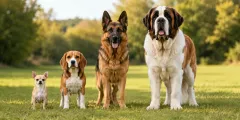
A small, calm dog typically does not need the same kind of walk as a young, athletic, or working dog. You also need to take special care with brachycephalic breeds such as bulldogs or pugs, which tolerate heat and exertion poorly.
Health status
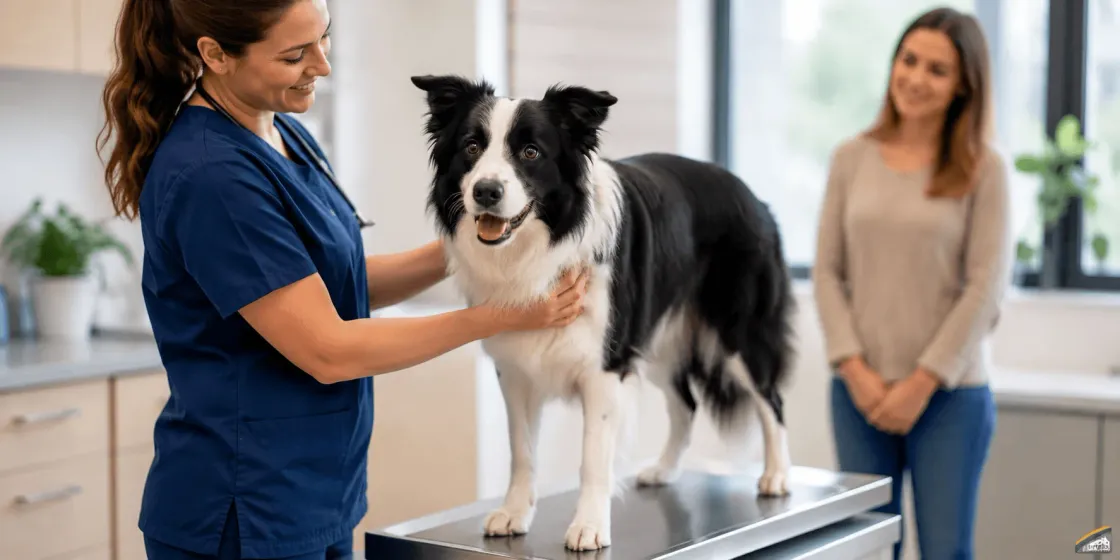
If your dog has obesity, arthritis, heart problems, respiratory issues, or pain, their walks need to be adjusted with extra caution. If you are unsure, bring it up at the next vet visit before increasing intensity or duration.
How to walk your dog step by step
1. Before heading out, prepare for a comfortable and safe walk
Before opening the door, check the basics:
- Leash in good condition.
- Harness or collar that does not chafe or press too tightly.
- Water if it is hot or you will be out for a while.
- Bags for picking up waste.
- A sensible departure time, avoiding the hottest hours of the day.
- Updated identification in case your dog gets loose or lost.
If your dog pulls hard, gets overwhelmed by stimuli, or reacts to other dogs, do not turn every outing into a physical test. In those cases, a quieter environment and a predictable routine tend to work better.
2. Start at an easy pace
The first few minutes give your dog time to orient themselves, sniff around, and warm up. Starting too fast rarely helps and can be counterproductive for puppies, seniors, sedentary dogs, or overweight animals.
A useful rule of thumb: a steady, progressive routine is usually better than cramming all the exercise into one long outing at the weekend.
3. Leave room for sniffing
Walking is not just about covering distance. For many dogs, sniffing is as much a part of the walk as moving forward. Cutting that exploration short all the time can make the outing less enriching, even if it lasted a while.
A good walk usually combines:
- stretches of calm walking,
- pauses to sniff,
- changes of pace if the dog handles them well,
- and some basic obedience practice if it fits naturally.
4. Watch your dog during the outing
Your dog tells you whether the walk is going well or not. Slow down, find shade, or head home if you notice:
- excessive panting for the temperature and effort involved,
- stumbling or difficulty keeping pace,
- wanting to lie down earlier than usual,
- coughing, noisy breathing, or very labored breathing,
- sudden refusal to keep walking.
On hot days, pay even closer attention. The risk is higher in puppies, seniors, brachycephalic dogs, overweight dogs, and animals with heart or respiratory problems.
5. Finish gradually
When you get back, let your dog calm down, offer water, and check paw pads, gait, and signs of fatigue. If the walk was longer or more demanding than usual, note how they responded so you can adjust the next outing.
Urban safety during walks
A safe walk also depends on the environment. Keep these practical measures in mind:
- Avoid hot asphalt; if it burns your hand, it can also hurt paw pads.
- Use retractable leashes with caution and never near traffic, bikes, or narrow paths.
- Do not force greetings with every dog; some animals need space.
- After the walk, check for grass awns, glass, irritation, cuts, or foreign bodies between the toes.
- If you walk at night, use reflective gear or a light.
- In new areas, keep closer control until you know how your dog responds.
How long should a dog’s walk be?
The honest answer is: it depends. In general, duration should be adapted to age, health, breed, body condition, outdoor temperature, and tolerance for exertion.
As a practical guideline:
- puppies usually do better with several short walks or play sessions,
- healthy adults generally benefit from a consistent daily routine,
- seniors still need to keep moving, but with more adaptation,
- and a sedentary dog should not jump from almost nothing to a lot of exercise overnight.
If you want to improve the routine, do it gradually. Increasing time and intensity progressively helps reduce injuries and overexertion.
Common mistakes when walking your dog
Expecting every day to be the same
Routine helps, but walks should be adapted to the weather, your dog’s physical state, and their actual energy level that day.
Too much exercise for puppies
Puppies have plenty of energy, but that does not mean they cope well with long or intense outings.
Ignoring the heat
Dogs dissipate heat less effectively than people. Heavy panting, excessive drooling, very red gums, weakness, or loss of balance are warning signs. If they appear, stop the activity and seek veterinary attention.
Turning the walk into a constant run
If every outing involves constant pulling, correcting, or sprinting, there is probably an imbalance between movement, exploration, and handling.
Not adjusting the walk when there is pain or illness
A dog with lameness, arthritis, obesity, or breathing difficulties needs a different routine; it should not be interpreted simply as lack of enthusiasm.
When to skip the walk and consult your vet
Do not force the outing and consult a professional if your dog shows:
- persistent lameness or pain when walking,
- abnormal panting at rest or after minimal effort,
- fainting, marked weakness, or disorientation,
- repeated coughing during the walk,
- a clear decline in performance compared to their usual routine.
If signs of heatstroke or an emergency occur during the outing, treat it as an urgent situation and review this guide on what to do in a pet emergency.
How Dogtorcito helps you track the routine
Walking better also means noticing patterns. Dogtorcito can help you log useful information without relying on memory:
Weight and body condition tracking
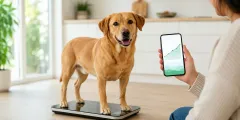
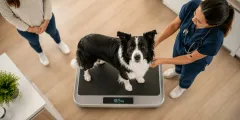
If the goal is getting your dog moving for health reasons, keeping track of their weight helps you see whether the routine is working.
Notes on exercise tolerance
You can record whether a particular walk ended in fatigue, excessive panting, refusal to walk, or a good recovery. That context is useful if you later discuss it with your vet.
Everything in one place
Having visits, vaccinations, weight, and daily observations together makes it easier to understand whether a change in walking behavior coincides with pain, illness, or a new life stage.
FAQ
How long should a dog walk last?
It depends on age, health, fitness, breed, temperature, and tolerance for exertion. It is better to adapt the duration to the real dog than to follow a fixed number.
How many times a day should you take a dog out?
Many dogs benefit from several outings per day, combining toileting, movement, and exploration. Puppies, seniors, and dogs with health issues may need more adapted schedules.
Is it bad if my dog sniffs a lot during the walk?
No. Sniffing is part of the mental stimulation of the walk. As long as it is safe, allowing sniffing breaks usually makes the outing more enriching.
When should I not walk my dog?
Avoid or stop the walk during extreme heat, marked lameness, breathing difficulty, weakness, repeated coughing, pain, or signs of heatstroke. In those cases, contact a vet.
How should I walk a puppy?
Use short, frequent, positive outings without forcing intensity. Avoid long walks, repeated jumps, or prolonged effort while they are still growing.
References
-
WSAVA. Global Nutrition Guidelines. https://wsava.org/global-guidelines/global-nutrition-guidelines/
-
AAHA. 2023 AAHA Senior Care Guidelines for Dogs and Cats. Published Dec 12, 2022. https://www.aaha.org/resources/2023-aaha-senior-care-guidelines-for-dogs-and-cats/
-
Cornell University College of Veterinary Medicine. Heatstroke, a medical emergency. https://www.vet.cornell.edu/departments-centers-and-institutes/riney-canine-health-center/canine-health-information/heatstroke-medical-emergency
-
Merck Veterinary Manual. Protecting Pets During Hot Summer Months. https://www.merckvetmanual.com/news/editorial/2025/05/28/17/27/protecting-pets-during-hot-summer-months