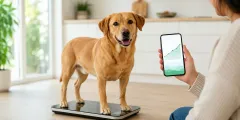





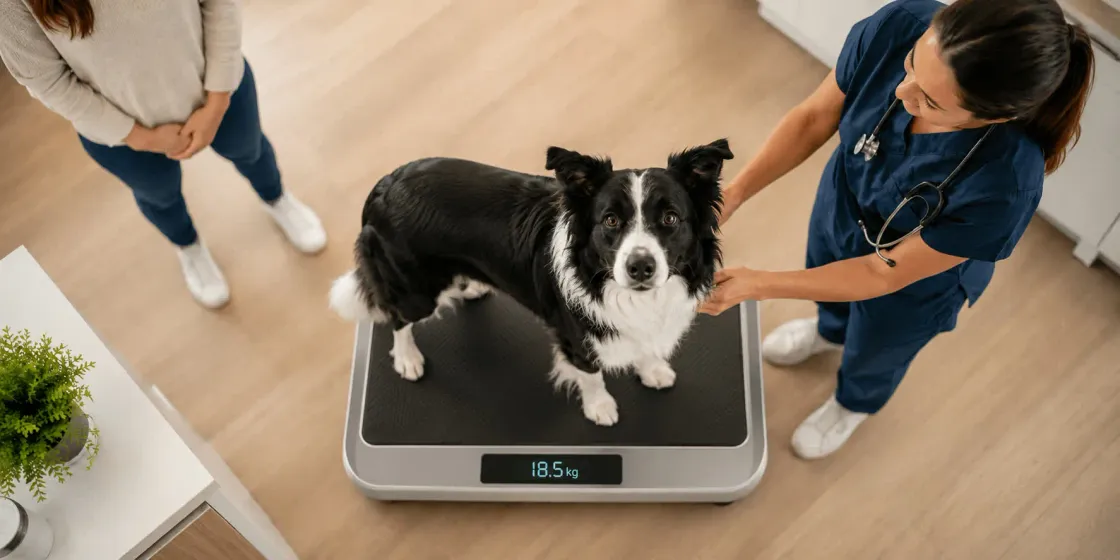
Do you know exactly how much your dog weighs today? What about three months ago? Body weight is one of the most important health indicators in companion animals — and one of the most overlooked between vet appointments. In this article we explain why weight management is essential and how Dogtorcito makes it easy to stay on top of it.
Why your dog’s weight matters
Canine obesity has risen sharply over the last decade. According to several European studies, between 40 and 55 % of adult dogs are overweight or obese. Yet many owners don’t notice because the change happens gradually.
The real risks of excess weight are significant:
- 🦴 Joint damage: Extra load accelerates wear and tear, promoting osteoarthritis and hip dysplasia.
- ❤️ Cardiovascular disease: The heart works harder, which can lead to hypertension or heart failure.
- 🩸 Diabetes mellitus: Excess fat disrupts insulin sensitivity, especially in predisposed breeds.
- 🫁 Breathing difficulties: Abdominal fat compresses the diaphragm and reduces lung capacity.
- 🐾 Shorter lifespan: Studies show that dogs at an optimal weight live, on average, 1.5 to 2 years longer than obese dogs.
Being underweight is equally dangerous: it can indicate parasites, gastrointestinal disease, kidney problems, or simply inadequate nutrition.
How to tell if your dog is at an ideal weight
Beyond the scales, two simple clinical tools can be used at home:
1. Body Condition Score (BCS)
The BCS scale runs from 1 to 9. A dog in ideal condition scores between 4 and 5:
- You can feel the ribs without pressing hard, but they are not visible.
- The waist is visible when viewed from above.
- The abdomen shows a slight tuck when viewed from the side.
2. Breed target weight
Each breed has an optimal weight range. An adult Labrador typically weighs 25–35 kg; a Beagle, 9–11 kg. Deviating more than 10–15 % from that range already warrants veterinary attention.
Why continuous tracking matters
A single weigh-in at the annual vet check-up is not enough. Meaningful weight changes can happen in just a few weeks: a new diet, an injury that reduces exercise, neutering, ageing. That is why regular monitoring makes such a difference.
The best approach:
- Weigh your dog once a month (or every two weeks if they are on a supervised weight-loss or weight-gain programme).
- Log every measurement so you can spot trends over time.
- Share the history with your vet so they can interpret the data in context.
How Dogtorcito helps
Dogtorcito is designed to be your pet’s digital health record, and weight tracking is one of its core features.
📊 Full weight history
Add your dog’s weight at any time from the app. Every measurement is saved with its date, building a chronological record that lets you see progress at a glance.
📈 Visual progress charts
The app plots weight on a timeline graph. You can instantly see whether the trend is stable, rising, or falling — and act before a small problem becomes a serious one.
🔔 Weigh-in reminders
Forget to weigh your dog? Set recurring reminders so you never miss a measurement. Consistency is what makes tracking meaningful.
🩺 Share with your vet
When you attend a consultation, you can show the weight history directly from your phone or share it with your vet. Having real data helps the vet interpret trends and adjust diet or treatment accordingly.
📋 Context alongside other health records
Weight does not exist in isolation. Dogtorcito lets you record it alongside deworming, vaccinations, vet visits and other events — so any weight change has a clinical context that explains it, or flags something worth investigating.
Practical tips for maintaining an optimal weight
- Measure portions: The manufacturer’s guidelines are a starting point; adjust them to the target weight, not the current weight if your dog is overweight.
- Limit treats: They can account for up to 20 % of daily caloric intake without you noticing.
- Regular exercise: Daily walks are essential, but follow veterinary advice if rest has been prescribed.
- Biannual check-ups: From the age of seven, senior dogs benefit from a vet visit every six months.
- Consult before changing diet: A sudden dietary change can cause digestive problems and temporarily skew weight measurements.
Keeping track of your dog’s weight does not have to be complicated. With a home scale and Dogtorcito as your digital record book, you have everything you need to catch any deviation early and act alongside your vet with real data. Your dog will thank you with years of energy and good health. 🐾
Go deeper on dog weight management
- Ideal weight for dogs by breed: a guide by size and age
- When to start weighing your puppy? A week-by-week guide
- How often should you weigh an adult dog?
- Best dog food by body condition: a guide with recommendations
Ready to start tracking? Try Dogtorcito and log your dog’s first weight in under a minute.