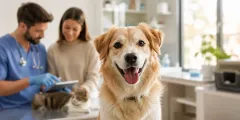






Preparing for a vet visit is not just about remembering the vaccination booklet. When you bring organized symptoms, videos, weight changes, medications, questions, and documents, you help your vet understand the case faster and you leave with a clearer plan. This guide explains what to bring to the vet and how to prepare your dog or cat’s appointment without relying on memory.
Important: this article is educational and does not replace veterinary care. If your dog or cat has trouble breathing, seizures, significant bleeding, severe pain, inability to urinate, loss of consciousness, or a rapidly worsening condition, contact an emergency veterinary clinic.
Editorial note: Written by the Dogtorcito team using veterinary guidance from AAHA, WSAVA, and Merck Veterinary Manual on preventive visits, nutrition, diagnostic tests, samples, and emergencies. Last reviewed: June 7, 2026.
Quick summary
| Before you leave | Why it helps |
|---|---|
| Note symptoms, dates, and routine changes | Avoids vague explanations like “something has been off” |
| Bring vaccine, parasite prevention, and medication history | Supports safer clinical decisions |
| Prepare videos or photos of the problem | Many signs do not appear during the appointment |
| Write down your questions | Reduces forgotten details and misunderstandings |
| Ask whether a stool or urine sample is needed | Some tests need specific collection instructions |
| Save the diagnosis, treatment, and next check-up afterwards | Builds a useful history for future visits |
When to prepare and when to go to emergency care
An annual check-up, vaccination visit, itching appointment, or mild vomiting without weakness can usually be prepared calmly. Other situations should not wait for a checklist.
Seek urgent veterinary care if you notice:
- Difficulty breathing, very fast breathing, or blue, pale, or white gums.
- Seizures, collapse, severe disorientation, or loss of consciousness.
- Vomiting or diarrhea with blood, repeated episodes, or marked weakness.
- Inability to urinate, especially in male cats.
- Sudden swollen abdomen, unproductive retching, or severe pain.
- Trauma, fall, road accident, deep bite wound, or bleeding that does not stop.
- Suspected poisoning from medicines, plants, household products, or dangerous foods.
If you are unsure, call your clinic or an emergency veterinary service. A short call can help you decide whether to go immediately, keep the scheduled appointment, or prepare extra information.
What to bring to the vet
The exact list depends on the reason for the visit, but these items are often useful for both dogs and cats:
- Vaccination booklet, passport, or paper vaccine documents if you have them.
- Vaccine, parasite prevention, previous illness, and surgery history.
- Current medication list: name, dose, frequency, and when it started.
- Supplements, parasite products, collars, spot-ons, or products used recently.
- Food name, approximate daily amount, treats, and recent diet changes.
- Recent weight and, if available, weight trend over the last few months.
- Reports, blood tests, x-rays, or results from another clinic.
- Photos or videos of the sign when it appears at home.
- Stool or urine samples only if the clinic has requested them or explained how to collect them.
For samples, avoid a rigid rule such as “less than four hours old.” A safer approach is: bring them as fresh as possible, ideally collected within a few hours, in a clean container, and following your clinic’s instructions. Some tests need refrigeration, a specific container, or collection at the clinic.
What to note before the appointment
Your vet needs a clear history. Before leaving home, spend 10 minutes writing down:
- When the problem started and whether it appeared suddenly or gradually.
- Frequency: how many times per day, when it happens, and how long it lasts.
- Recent changes: food, treats, walks, travel, stress, new animals, or cleaning products.
- Appetite, thirst, energy, sleep, urination, and stools.
- Current weight and visible body condition changes.
- Any medication given at home, even a single dose.
- What improves or worsens the sign: exercise, food, rest, stairs, heat, or handling.
A useful note is not “vomits sometimes.” It is: “vomited three times since yesterday evening, once after eating and twice yellow fluid; today he drank less and refused breakfast.”
If you are going because of a specific symptom
Different visits need different preparation. Use this table as a starting point:
| Type of visit | What to prepare |
|---|---|
| Annual check-up | Vaccines, parasite prevention, diet, weight, prevention questions, and upcoming reminders |
| Vaccines | Booklet, previous reactions, general health, last parasite treatment, and travel plans |
| Digestive signs | Vomiting, diarrhea, appetite, water intake, stools, diet changes, possible toxins, and a sample if requested |
| Skin, itching, or lumps | Dated photos, affected area, itch intensity, products used, and size changes |
| Limping or pain | Videos walking, when it worsens, stairs, recent knocks, and medication given |
| Coughing, odd breathing, or episodes | Short videos, duration, relation to exercise or sleep, and daily frequency |
| Senior dog or cat | Weight, appetite, thirst, urination, energy, mobility, behavior changes, and previous tests |
| Second opinion | Reports, tests, treatments tried, dates, and why you are seeking another assessment |
In senior pets, small changes matter: drinking more, losing weight, sleeping more, bumping into objects, or getting up with difficulty can guide the check-up. You can also review our guides on senior dog care and dog weight control.
Videos and photos: when they help most
Many signs happen at home and disappear during the appointment because of stress or chance. Record short videos, with good light and without putting yourself at risk, if you notice:
- Coughing, reverse sneezing, noisy breathing, or unusual panting.
- Limping, tremors, stiffness, pain when getting up, or trouble climbing stairs.
- Seizures, disorientation episodes, or repetitive movements.
- Itching, licking, scratching, or skin changes.
- Vomiting, retching, trouble swallowing, or unusual eating behavior.
Do not delay an emergency to record. If it is safe, a 10 to 30 second video is usually enough.
Useful questions to ask your vet
The visit is not over once you hear a diagnosis. Before leaving, confirm the essentials:
- What is the main problem, and what other causes are being considered?
- Which signs at home mean I should come back or go to emergency care?
- Which medication should I give, at what dose, for how many days, and with or without food?
- Which side effects should I watch for?
- Do we need to change diet, exercise, target weight, or the home environment?
- When should I expect improvement?
- Which follow-up visit, vaccine, blood test, or diagnostic test is pending?
- What should I do if there is no improvement or the sign returns?
If instructions are hard to remember, ask for them in writing or note them on your phone during the visit.
During the visit: what to confirm before leaving
Good preparation also prevents misunderstandings at the end. Before paying or leaving, check:
- Diagnosis or main working hypothesis.
- Exact treatment: medication, dose, frequency, and duration.
- Restrictions on food, walks, bathing, play, or contact with other animals.
- Next review and approximate date.
- What to do if you miss a dose.
- When to call if the condition worsens.
This is especially important when several people care for the pet. A written plan helps avoid duplicated or missed doses.
After the visit: what to save at home
Once you get home, information fades quickly if you do not record it. Save:
- Date of the visit and main reason.
- Diagnosis, suspicion, or vet summary.
- Weight measured at the clinic.
- Medications, doses, duration, and notes.
- Test results or reports.
- Next review, vaccine, or recommended test.
- Photos of lesions or lumps if you need to compare changes over time.
This record will help at the next appointment, during an out-of-hours emergency, or if you change clinics.
How Dogtorcito helps
Dogtorcito fits the real flow of a veterinary visit:
- Before the appointment, create a note with symptoms, dates, videos, weight, medication, and questions.
- During the visit, check vaccines, parasite prevention, weight, and previous events from your phone.
- Afterwards, save the diagnosis, treatment, documents, photos, and next review.
- If medication is prescribed, set reminders so doses are not missed.
- If your vet asks you to monitor weight, skin, appetite, or symptoms, update the record every few days.
The goal is not to replace your vet, but to arrive with better information and keep your dog or cat’s health plan in one place.
Quick checklist
Copy this list before your next appointment:
- Reason for the visit written in one clear sentence
- Symptoms with date, frequency, and context
- Photos or videos ready if the sign appears at home
- Recent weight and weight changes noted
- Vaccines, parasite prevention, and current medication reviewed
- Food, treats, and recent changes noted
- Previous reports or test results located
- Main questions prepared
- Stool or urine sample only if the clinic requested it or explained collection
- Carrier, lead, harness, or muzzle if your pet needs it for safe travel
- Diagnosis, treatment, and next review recorded when you get home
FAQ
Which documents should I bring to the vet?
Bring the vaccination booklet or passport if you have one, previous reports, blood tests, x-rays, vaccine history, and current medication list. If they are saved in Dogtorcito, you can show them from your phone.
Should I always bring a urine or stool sample?
No. Bring one if your clinic asks for it or has explained how to collect it. The sample should be as fresh as possible, ideally collected within a few hours, and placed in a clean container.
Are videos useful for the vet?
Yes. They are especially helpful for coughing, limping, seizures, unusual breathing, pain episodes, or behavior changes that may not appear during the appointment.
What if my pet gets worse before the appointment?
Call your clinic or an emergency veterinary service. If there is breathing difficulty, collapse, seizures, blood, severe pain, inability to urinate, or suspected poisoning, do not wait for the scheduled visit.
How should I prepare for an annual check-up?
Review vaccines, parasite prevention, weight, diet, behavior changes, and prevention questions. It is also a good moment to ask about blood tests, dental health, nutrition, and age-related needs.
Related Articles
- Pet emergency guide
- Dog vaccination schedule
- Urinalysis in dogs and cats
- Senior dog care
- Dog weight control
References
-
AAHA. 2023 AAHA Senior Care Guidelines for Dogs and Cats. Published Dec 12, 2022. https://www.aaha.org/resources/2023-aaha-senior-care-guidelines-for-dogs-and-cats/
-
WSAVA. Global Nutrition Guidelines. https://wsava.org/global-guidelines/global-nutrition-guidelines/
-
Merck Veterinary Manual. Veterinary Medical Tests. Reviewed/Revised Dec 2025. https://www.merckvetmanual.com/special-pet-topics/diagnostic-tests-and-imaging/veterinary-medical-tests
-
Merck Veterinary Manual. Urinalysis. Modified Jun 2025. https://www.merckvetmanual.com/clinical-pathology-and-procedures/diagnostic-procedures-for-the-private-practice-laboratory/urinalysis
-
Merck Veterinary Manual. Emergencies. https://www.merckvetmanual.com/special-pet-topics/emergencies